Crane Service
Tight Access Lifting - Wellington
Wellington's steep sites and tight laneways are CDT's home ground. The compact HIAB gets in where larger cranes can't follow.
Wellington's steep sites and tight laneways are CDT's home ground. The compact HIAB gets in where larger cranes can't follow.
Wellington is a city built on hills, and the houses followed the hills regardless of what that meant for access. The results are everywhere: sections that drop away steeply behind a narrow driveway gate, suburban properties where the only way in is a one-lane track that bends halfway up the slope, inner-city locations where loading is technically possible but spatially demanding, and laneways that most crane operators won't even attempt to enter.
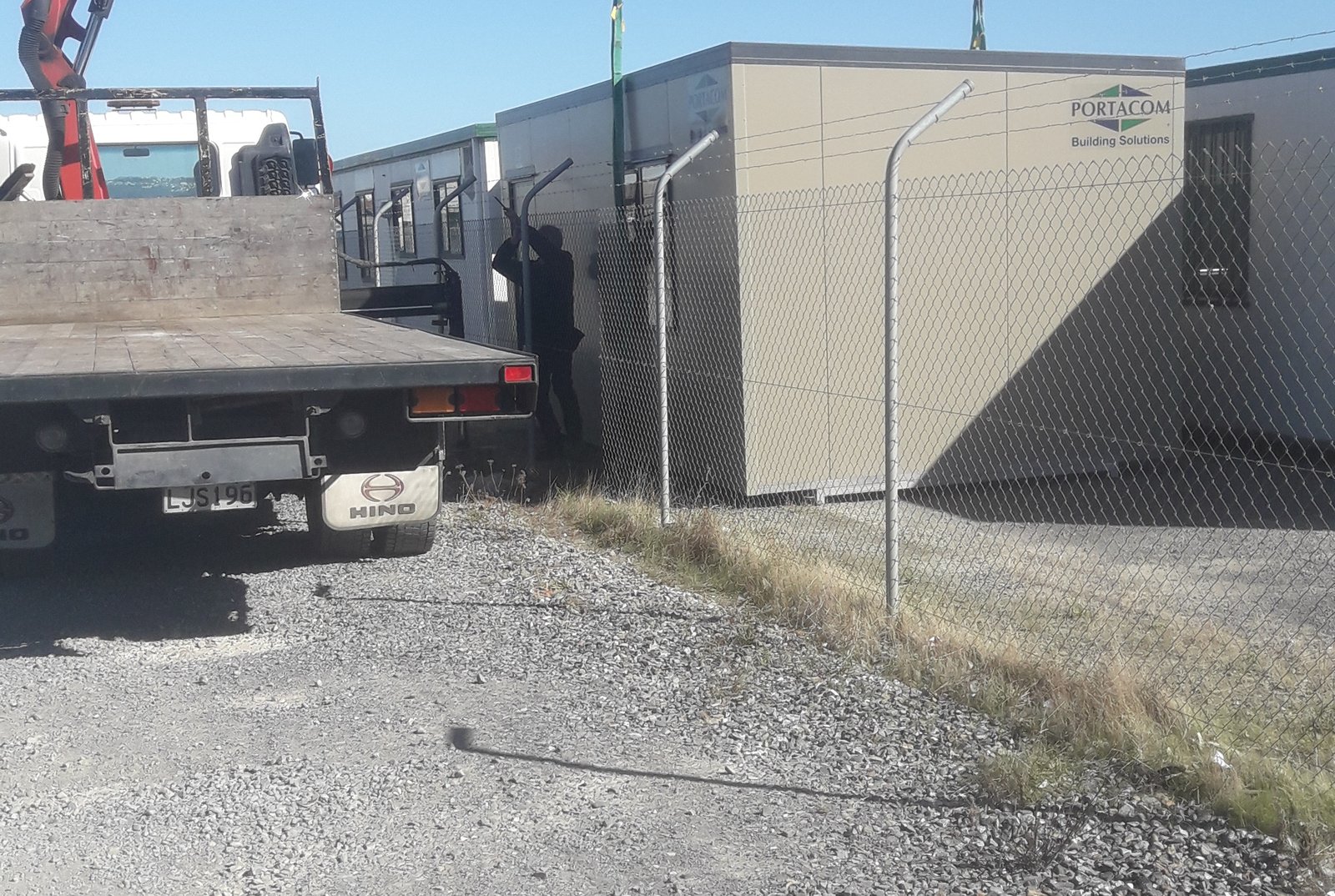
For most crane hire companies, tight access is a problem they'd rather not have. CDT Transport was built around it. The compact truck body is a deliberate equipment choice for Wellington's reality. The front-mounted HIAB provides reach without requiring the truck to be positioned ideally - the crane can work through angles and distances that a full-sized rig cannot.
The short answer: if you've been told by another operator that the job is too difficult or impossible due to access, call CDT. The kinds of situations CDT regularly handles include:
Equipment is part of the answer, but not all of it. Tight-access lifts require an operator who reads sites well - who can look at a property, identify the obstacles, plan the lift path, and execute it without drama. Alan's background in stage rigging, where precision is measured in centimetres and timing is everything, translates directly into this kind of work.
Before a tight-access lift, Alan will assess the site - either during the initial conversation or in person for complex jobs. That assessment looks at ground conditions (is the surface stable enough for outriggers?), height restrictions (power lines, overhanging trees, roof overhangs), load weight and how it distributes, and the available working arc for the crane. Getting that assessment right is what makes the lift go smoothly.
If you have a location you're not sure about, describe it to Alan on 027 444 2191. He'll tell you honestly whether CDT can do it and what the plan would look like.
Tight-access lifting in Wellington covers a wide range of jobs - spa pool relocations into difficult backyards, sculpture installations in city spaces with limited crane swing room, building material placement on steep-site construction projects, and residential items - hot tubs, garden features, large planters - that need to go somewhere the standard delivery truck can't reach. The common thread is a location that demands more than a straightforward pick-and-place.
Yes. HIAB crane reach extends comfortably over typical two-storey homes, fences, and garages to deliver cargo into rear sections or onto rooftops. The crane's jointed arm articulates around obstacles that would block any straight path. You get delivery routes over buildings rather than through them.
A smaller truck purpose-built for Wellington's compact residential streets fits single-lane driveways and the quirky layouts common in older suburbs. Its footprint lets it access spots where larger vehicles can't turn or park safely. You avoid blocking streets or triggering road closures.
Absolutely. Operator experience spanning stage rigging and sculpture handling ensures delicate pieces reach their final position precisely and without damage. Rigging skills honed through theatre and event work translate directly to gallery and public art placements. Fragile or high-value items remain protected throughout the entire lift.
Same-day service is available when scheduling allows, with rapid setup suited to urgent builder or facility deadlines. Experienced operators complete lifts efficiently without compromising on safety. Projects stay on track when every hour of delay carries a cost.
It does. CDT's service extends across Lower Hutt, Upper Hutt, Porirua, Kapiti Coast, and Wairarapa for projects requiring regional reach. The same equipment and operator expertise applies equally to rural properties and coastal sites. You receive consistent, reliable service across the entire greater Wellington region.
HVAC units, building materials, machinery, sculptures, and demolition waste all work well - essentially anything heavy that won't cooperate with doorways or narrow paths. The crane manages loads from 500 kilograms up to several tonnes, depending on the required reach distance. You move cargo in a single lift instead of dismantling it to fit.