Transportation Service
Difficult-Access Specialist - Wellington
When the address is simple but the delivery location isn't. CDT solves the last-hundred-metres problem that defeats standard transport.
When the address is simple but the delivery location isn't. CDT solves the last-hundred-metres problem that defeats standard transport.
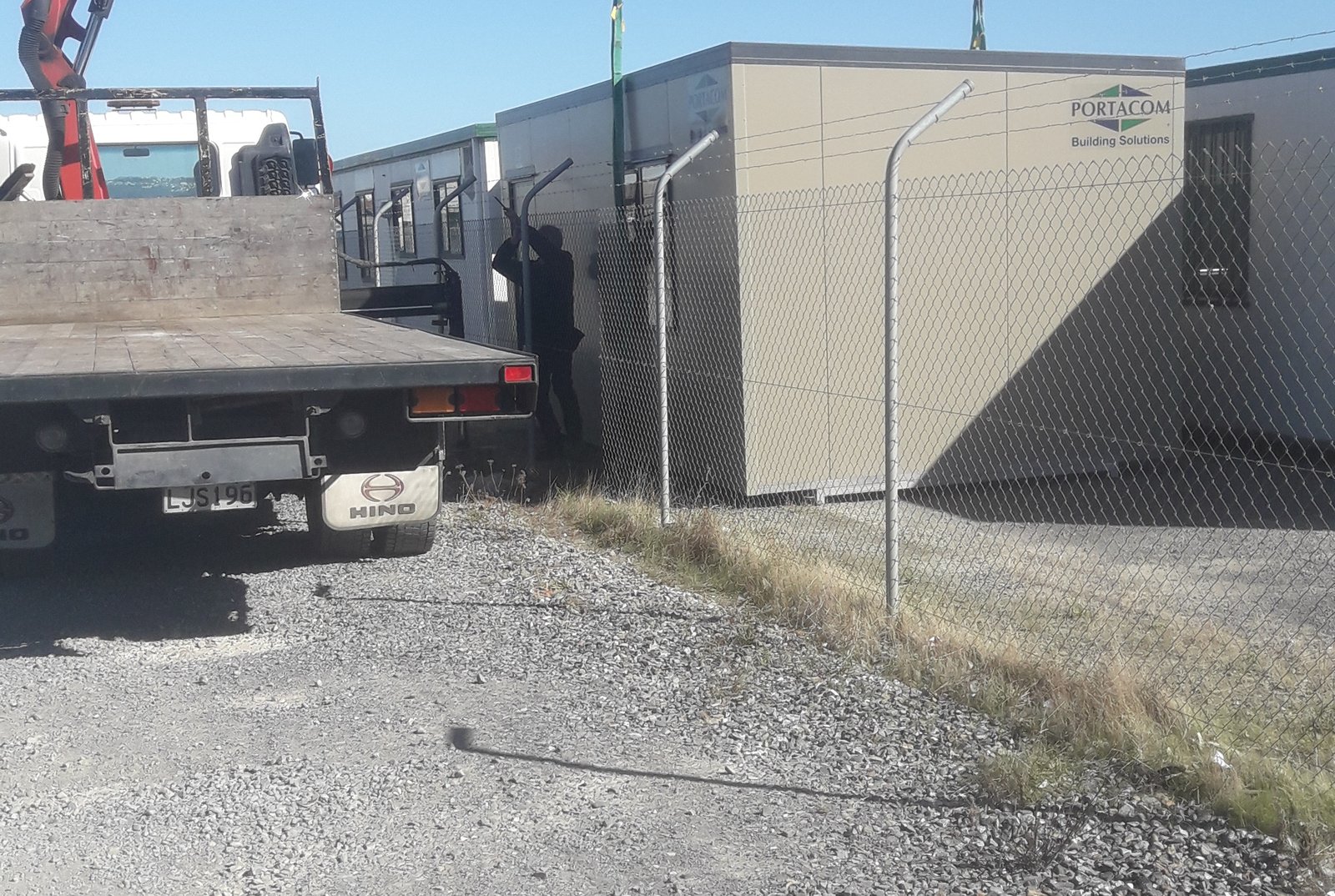
Standard transport solves most of the journey. CDT's difficult-access specialist service solves the rest - the bit where the truck arrives at the property boundary and the delivery point is somewhere the truck cannot go. A crane that can reach over the fence, or a truck compact enough to get down the narrow track to the actual drop zone, is the difference between a job that's half done and a job that's finished.
Wellington generates this problem constantly. Hillside sections with steep driveway angles that standard delivery trucks won't commit to. Residential properties in Wellington's older suburbs where the sections were designed for horses, not trucks. CBD and inner-city addresses where loading zones exist in theory but crane positioning is limited by traffic lanes and parked vehicles. CDT operates in these environments routinely.
The starting point is always a conversation about the specific access challenge. Alan will ask about:
From that assessment - usually done over the phone for straightforward jobs, or by a brief site visit for complex ones - Alan can tell you whether CDT can complete the delivery and what the approach will be. Difficult-access work is where CDT adds the most value over standard alternatives, and it's a service worth calling about even if you've been told by another operator that the job is too difficult.
For the most complex tight-access situations, also see tight access lifting under the Crane Service category.
Most driveways in Mt Victoria, Ngaio, or Khandallah prove either too steep or too narrow for the truck itself. Instead, the crane operates from street level and lifts cargo over retaining walls or garages, placing it directly onto your property without the vehicle ever leaving the road.
A small HIAB typically lifts between 1 and 3 tonnes safely. That comfortably covers spa pools, hot-water cylinders, steel beams up to 6 metres long, and pre-cast panels - the kind of materials that feature constantly in residential building work across Hutt Valley subdivisions.
Absolutely - lifting near heritage facades demands soft slings, slow and deliberate movements, and meticulous planning to prevent any contact with timber mouldings or ornamental plaster. Operators with a stage-rigging background grasp these protection requirements instinctively and execute lifts that keep historic details intact while positioning equipment exactly where renovation teams need it.
Lifts halt once wind gusts exceed safe thresholds, typically around 40 km/h. Experienced operators monitor forecasts closely and reschedule to calmer windows, preventing load swing that could cause damage or injury during outdoor placements near exposed coastal locations.
If the gate width accommodates the truck, delivery proceeds right to the spot you need. Where access is blocked, the crane lifts items over gates or fences from the nearest reachable point on the driveway or road verge. You receive your materials without having to widen entrances or tear out established landscaping.
Clear any vegetation away from overhead wires, confirm the ground is firm enough to support outriggers - particularly on the clay slopes so common around Whitby - and mark the precise placement locations. This groundwork enables the operator to map out the lift path in advance, reducing setup time and ensuring everything lands safely on the first attempt.