Freight Transport Company
Art Installation Transport - Wellington
The full logistics of major art installations - transport from studio or storage, site delivery, and crane placement into position.
The full logistics of major art installations - transport from studio or storage, site delivery, and crane placement into position.
Major art installations require more than a van and a dolly. Large-scale works - the kind that define a gallery's centrepiece exhibition or anchor a public space - need transport that treats the artwork as the irreplaceable object it is, and installation logistics that work within the constraints of gallery schedules, public space permits, and the physical demands of the installation site.
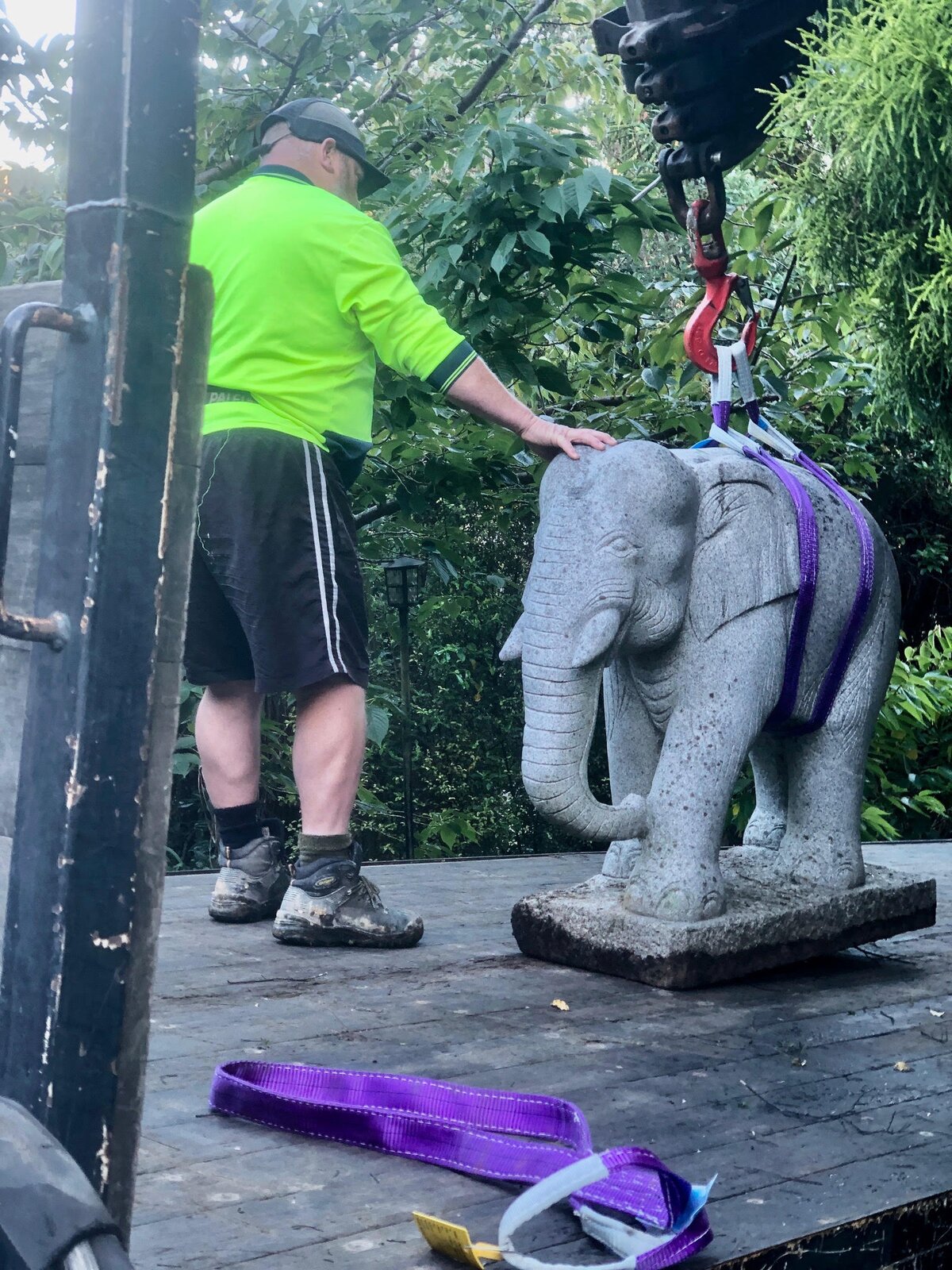
CDT provides the transport and crane end of this process for Wellington galleries, public art commissioning bodies, and artists. The work covers collection from studio or storage, transport to the gallery or public site, and crane-assisted placement. For outdoor public art, CDT can position large-scale works directly from the truck onto their foundations or plinths, with the precision that the installation requires.
The best art installation transport jobs are the ones that are planned properly. CDT's approach:
For significant public art commissions, CDT can be involved in the planning process early enough to flag any transport or installation challenges before they become problems on the day. Call Alan on 027 444 2191 to discuss your installation logistics.
For the movement of individual sculpture pieces - between galleries, from private collection to exhibition, from studio to permanent installation - see sculpture installation. The services overlap; the distinction is primarily in the scale and complexity of the logistics involved.
Padded rigging straps and soft slings prevent scratches or pressure marks on delicate finishes. Protective materials get wrapped around every single contact point before any lifting begins. Each piece receives individual attention based on its material composition and fragility - because a polished bronze and a painted timber panel need entirely different approaches.
Absolutely. Compact HIAB trucks handle the steep grades and narrow driveways that define Wellington's hillside suburbs. The truck's manoeuvrability combined with the crane's reach means artwork gets placed safely even in spots that look, at first glance, completely inaccessible. Access always gets assessed before the job starts to confirm the approach suits your particular site.
Sculptures, large paintings, installations, metal fabrications, stone works - all move safely with crane transport. Anything requiring lifting over obstacles or into confined spaces suits this method well. The range extends from modest garden sculptures right through to multi-tonne public art installations, and everything in between gets handled regularly.
Yes - coverage extends to Lower Hutt, Upper Hutt, Porirua, Kapiti Coast, and Wairarapa for art installation moves. Regional reach means projects across the greater Wellington area are fully supported. Distance doesn't diminish the standard of careful handling and precise placement. Not one bit.
Flexible scheduling accommodates time-sensitive gallery changeovers and exhibition deadlines, often within just a few days of enquiry. The work moulds itself around your project timeline rather than forcing you into a rigid slot. Urgent moves receive priority attention when galleries or public spaces need rapid turnarounds - because a missed opening night isn't something you get a second chance at.
Decades of stage and rigging work develop an intuitive grasp of load balance, strap placement, and wind management - all critical for delicate, high-value pieces. Theatre and event rigging demand precisely the same vigilance as fine art handling: one wrong move and something irreplaceable suffers. That background transfers directly to protecting sculptures and installations during crane lifts. It's one of those domains where experience genuinely makes all the difference - and where you can spot the gap between someone who's done it a thousand times and someone who's done it ten.